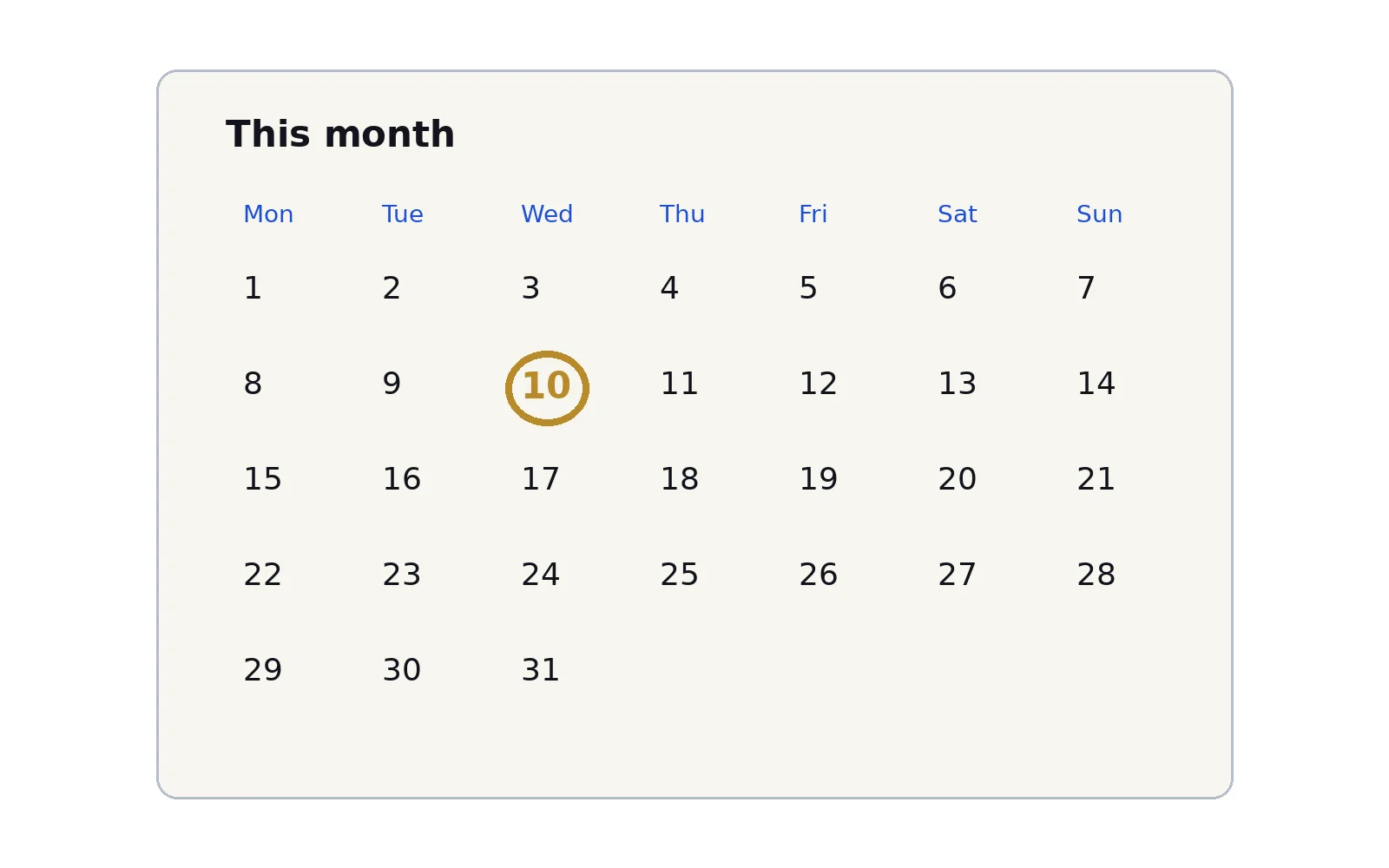
The month you are already in gets closed. This month if today is early, the next tenth if it is not. That is the whole policy. Payday stays on a provider you run, and the return is prepared from months that closed. Steven Palmieri, a Tax CFO, does it by video, starting with the month you name.
CFO services close the month. The return sits in that close, which is the Tax CFO's whole week.
Closing by the tenth is the promise. What the Tax CFO adds is reading that closed month against the year. The estimate due next quarter, owner pay, and the purchase you are weighing. The month is closed on time, and the decisions it points to are made the same week.
A morning early in the month is when the bank feed connects, and that is the morning a close can still land on this tenth. The list of open items has a name beside each one. The tenth sits on the calendar as the day we aim to tie the month. A Friday afternoon with nothing hanging is what that tenth is for. Then we read the closed month with you, while there is still time to change course. A Monday that starts with a notice on the kitchen table still has a close. We keep the books on the same day of the month, whether the week arrived calm or with a letter in it. We read the closed month with the owner who has to decide.
A quiet month here means the bank matches, every open item has a name, and you can read the cash without a long meeting. Every open item gets a name and a person, and nothing is left floating between the bank and the books. The cadence is ours, and a scolding is not the point. Nobody is scolded for a calendar. The tenth is a day you can plan a Friday afternoon around. Bring the question that is loudest. You should hear a refused signature before the month is spent. If older months are still loose, that catch up is its own job. The close that follows lands on a tenth we can keep.
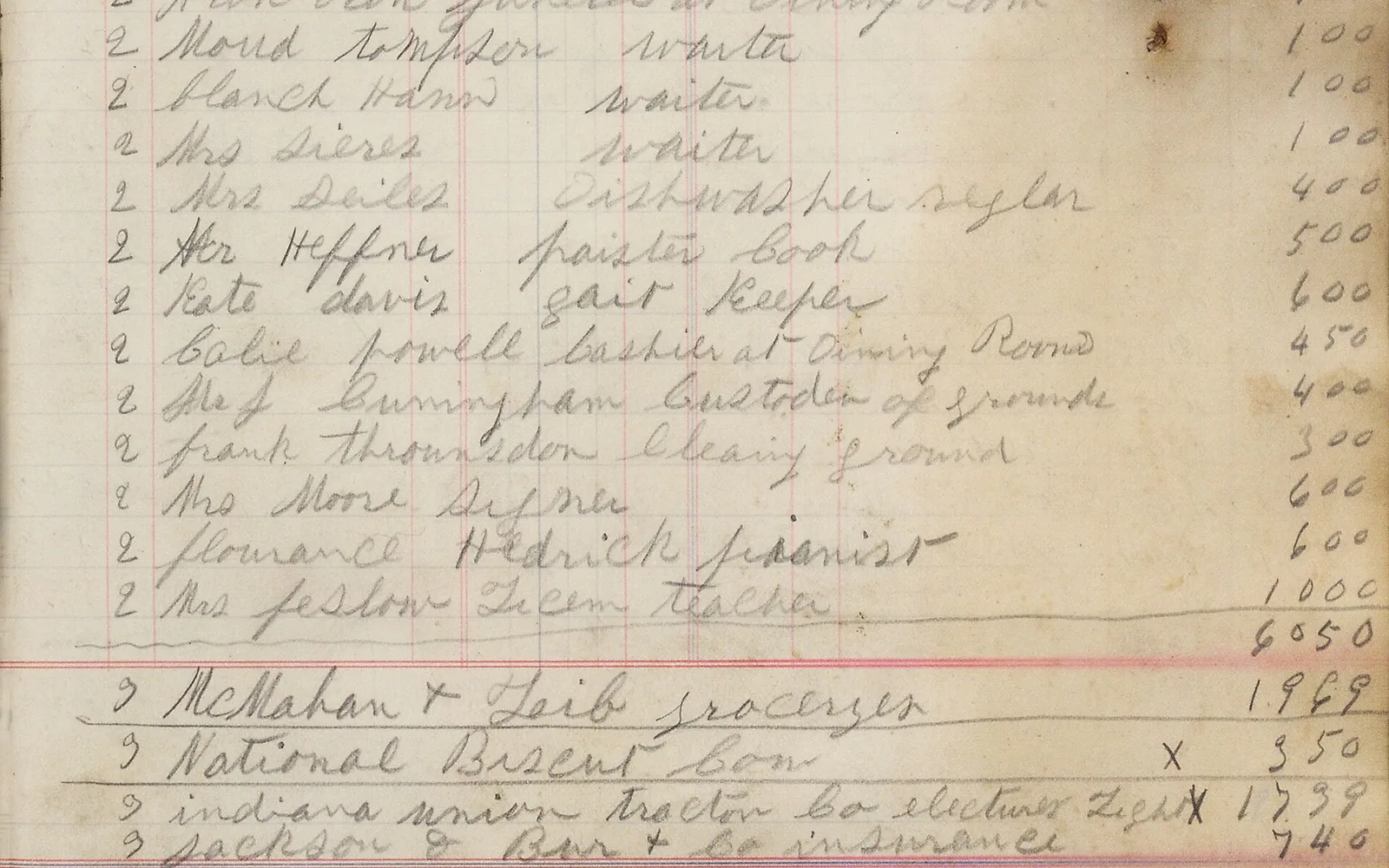
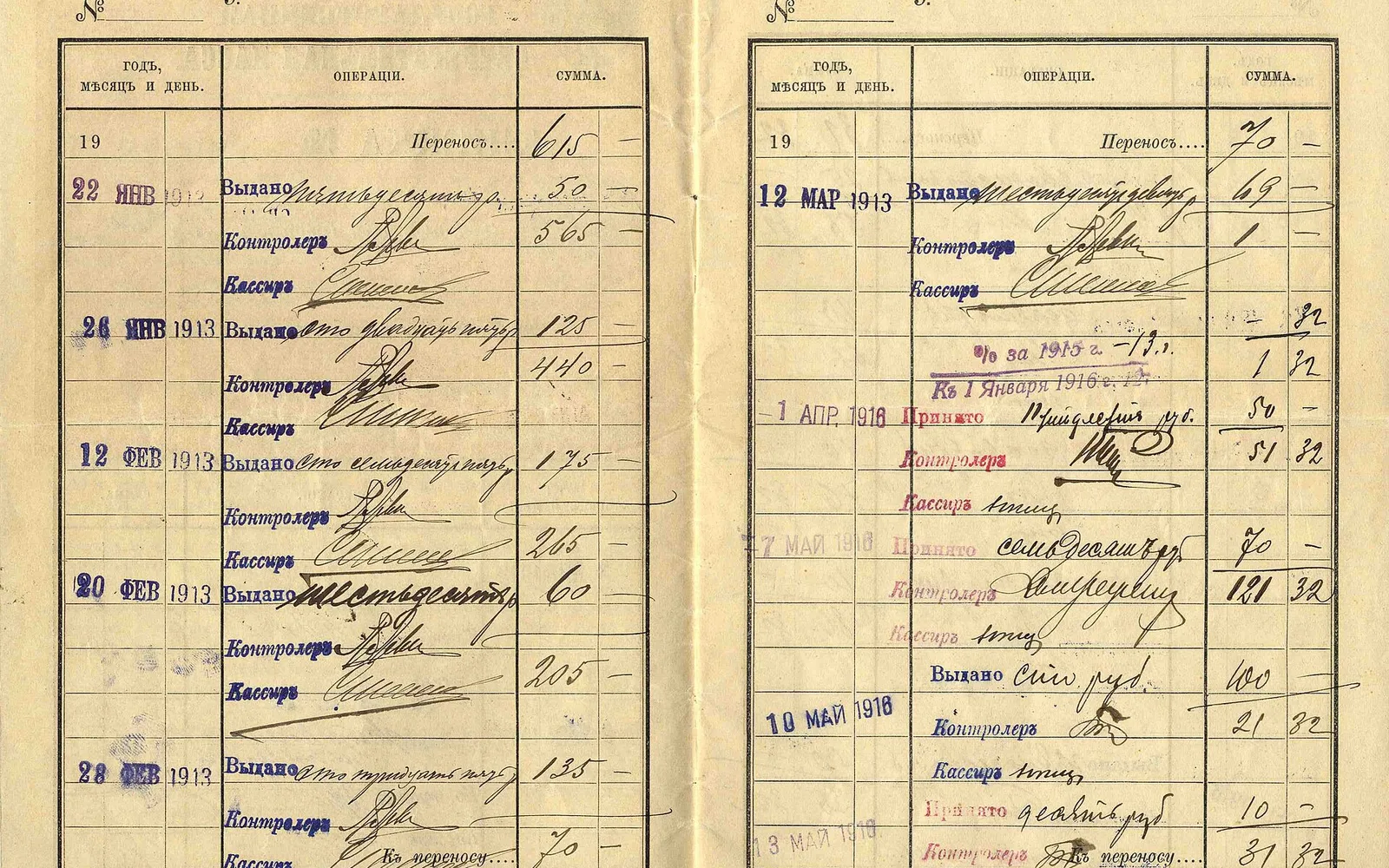
A finished month is not a thicker report. The bank matches the books, sales tax matches what was paid, unpaid bills are listed, unpaid invoices are listed, and the owner's draws stay in their own place. Publication 583 is the plain version of that tie out. We do it every month, on the tenth when the calendar allows and on the next tenth when it does not.
Once that month exists, the read is short. Cash in, cash out, what customers still owe, what the business still owes, and what is left after the costs you chose to subtract. We label which costs came out so the number is not a mystery. We do not borrow a benchmark and call it healthy.
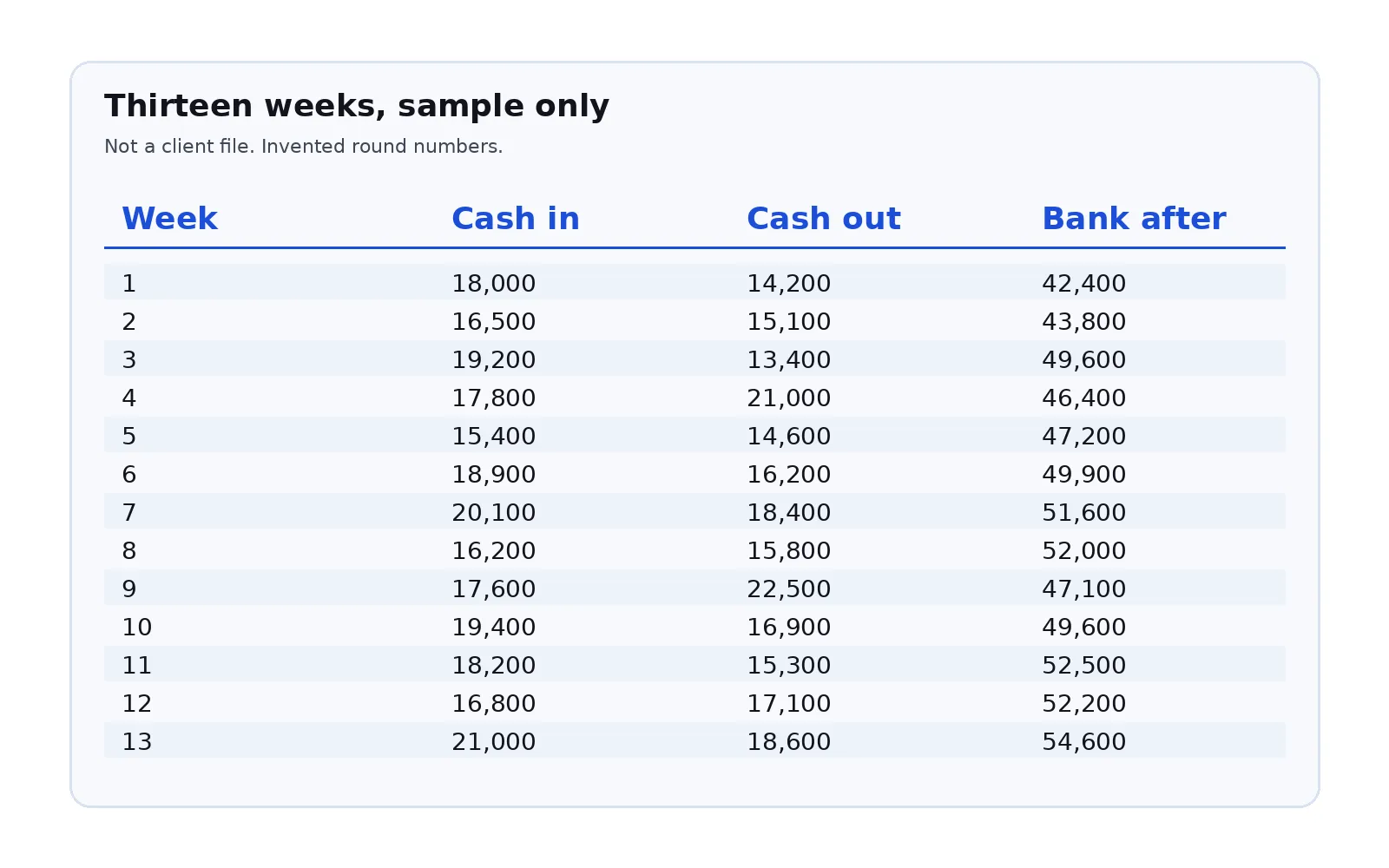
A thirteen week view sits beside that close. Each week has cash expected in, cash expected out, and the bank balance that follows. Typical rows are customer receipts, rent, vendors, sales tax, a quarterly estimate set aside for the voucher, and owner draws. You refresh it when the month closes or when a large bill lands. It is not a tax form and nobody attests to it. The numbers on the table are a sample, not a client file.
The choices that get easier in October
Estimated payments, a wage for an owner who works in an S corporation, and a piece of equipment are all easier while the year can still move. We would rather have that talk in October than in April, when the only move left is to explain a year that already happened.
April, June, September, and January are when a quarterly estimate often has to be in, and the closed months are what we carry into it. The voucher can be built a few different ways, including last year's total tax, this year's expected tax, or the annualized income worksheet the IRS publishes for the quarter. A wage earner and an owner who takes draws do not fill that voucher the same way. A rate and a percentage stay on the IRS page for that quarter, not frozen here as if we owned them. The closed books are what we bring to that payment.
After setup, payday remains the provider's job and yours to run. We set the registrations and the filing calendar up so that provider can run. The pay run stays with the provider after we finish the setup. If the team changes, September is a good month to see whether the setup still matches the people.
Where the signature has to go
Management work, a budget, a cash view, a monthly close, and statements prepared without a report are the work on these pages. Audit, review, and compilation stay off this list. When a lender wants a signature this practice does not hold, the first call says so. The disclosures page names every reserved word in sentences written for this site.
A truck, a lease, and a buildout each have a life on paper. You see the thing in the yard. We see an asset whose life has to be written down in the close, or the year will invent a number later. The first clean month is where that life gets a plain sentence, while you can still use it.
Which month is still open
From that name we can tell you what still fits.
You will be talking to the Steven Palmieri practice.






 A morning early in the month is when the bank feed connects, and that is the morning a close can still land on this tenth. The list of open items has a name beside each one. The tenth sits on the calendar as the day we aim to tie the month. A Friday afternoon with nothing hanging is what that tenth is for. Then we read the closed month with you, while there is still time to change course. A Monday that starts with a notice on the kitchen table still has a close. We keep the books on the same day of the month, whether the week arrived calm or with a letter in it. We read the closed month with the owner who has to decide.
 A thirteen week view sits beside that close. Each week has cash expected in, cash expected out, and the bank balance that follows. Typical rows are customer receipts, rent, vendors, sales tax, a quarterly estimate set aside for the voucher, and owner draws. You refresh it when the month closes or when a large bill lands. It is not a tax form and nobody attests to it. The numbers on the table are a sample, not a client file.